With Inflation Hedge for Retirees at the forefront, this paragraph opens a window to an amazing start and intrigue, inviting readers to embark on a storytelling filled with unexpected twists and insights. Exploring income and index funds, along with inflation hedge strategies, this guide provides a comprehensive look at how retirees can protect their finances.
From understanding income and index funds to exploring effective inflation hedge strategies, this guide equips retirees with the knowledge needed to navigate financial uncertainties during retirement.
Exploring Income Funds
Income funds are investment vehicles that focus on generating a steady stream of income for investors. These funds typically invest in assets such as dividend-paying stocks, bonds, and real estate investment trusts (REITs) that provide regular income payments. For retirees, income funds can be a valuable addition to their investment portfolio as they offer a reliable source of income to help cover living expenses during retirement.
Examples of Income Funds
- Dividend Growth Funds: These funds invest in companies with a strong track record of increasing their dividends over time. By focusing on companies that consistently grow their dividends, dividend growth funds offer retirees the potential for increasing income streams to keep up with inflation.
- Bond Funds: Bond funds invest in a diversified portfolio of bonds issued by governments, municipalities, and corporations. These funds provide a steady income stream through interest payments, making them attractive to retirees seeking stable returns.
- Real Estate Income Funds: Real estate income funds invest in properties such as residential, commercial, or industrial real estate. These funds generate income through rental payments and can offer retirees a hedge against inflation by providing a source of passive income.
Differences Between Income Funds and Other Investments
Income funds differ from other types of investments, such as growth funds or equity funds, in their primary objective of generating income rather than capital appreciation. While growth funds focus on achieving higher returns through capital gains, income funds prioritize regular income payments. For retirees, income funds can provide a more stable source of income to support their retirement lifestyle, especially in times of economic uncertainty or market volatility.
Understanding Index Funds
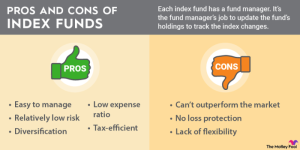
Index funds are investment funds that aim to replicate the performance of a specific financial market index, such as the S&P 500. They provide investors with a way to diversify their portfolio by gaining exposure to a broad range of assets without the need for active management. In a retirement portfolio, index funds can be utilized as a cost-effective and efficient way to achieve market returns over the long term.
Performance Comparison: Index Funds vs. Actively Managed Funds
When it comes to inflation hedging, index funds have shown competitive performance compared to actively managed funds. Since index funds simply track the performance of a market index, they tend to have lower fees and expenses associated with them. This cost efficiency can be beneficial for retirees looking to protect their purchasing power against inflation while maximizing their returns.
Diversification Benefits of Index Funds in Retirement Strategy
Including index funds in a retirement strategy provides diversification benefits by spreading risk across a wide range of assets. By investing in an index fund that tracks a market index, retirees can reduce the impact of volatility in individual stocks or sectors on their overall portfolio. This diversification can help mitigate risk and potentially enhance long-term returns for retirees looking to maintain a stable income stream during retirement.
Inflation Hedge Strategies

Inflation can erode the purchasing power of retirees’ savings over time, making it crucial to implement effective strategies to hedge against this risk. Asset allocation and investment selection play key roles in safeguarding retirement funds from the impact of inflation.
Diversification Across Asset Classes
Diversifying investments across different asset classes, such as equities, bonds, real estate, and commodities, can help retirees mitigate the effects of inflation. By spreading risk across various types of assets, individuals can potentially offset losses in one area with gains in another.
TIPS (Treasury Inflation-Protected Securities)
Investing in Treasury Inflation-Protected Securities (TIPS) can also serve as a valuable hedge against inflation. These securities are specifically designed to adjust their principal value based on changes in the Consumer Price Index (CPI), ensuring that investors are protected against rising inflation.
Dividend-Paying Stocks
Another strategy retirees can consider is investing in dividend-paying stocks. Companies that consistently pay dividends tend to have stable cash flows and may be better equipped to weather inflationary pressures. Additionally, reinvesting dividends can help grow retirement portfolios over time.
Real Assets
Including real assets like real estate or commodities in the investment portfolio can provide a tangible hedge against inflation. These assets have the potential to increase in value as prices rise, helping retirees preserve their purchasing power in inflationary environments.
Consideration of Inflation in Retirement Planning
When selecting investment options for retirement, it is essential to consider the impact of inflation. Retirees should aim to build a diversified portfolio that includes inflation-resistant assets to ensure their savings can withstand the effects of rising prices over the long term.
Impact of Inflation on Insurance Premiums
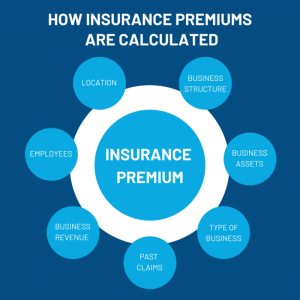
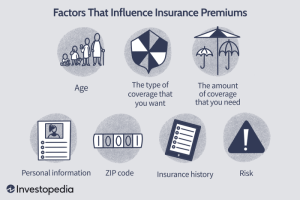
Inflation can have a significant impact on insurance premiums for retirees, as the cost of providing insurance coverage increases over time due to the rising prices of goods and services. This can result in higher premiums that retirees may find challenging to afford on a fixed income.
Insurance Products as a Hedge Against Rising Premiums
- Long-term Care Insurance: This type of insurance helps cover the costs of long-term care services, such as nursing home care or home health care, which can become more expensive with inflation.
- Indexed Universal Life Insurance: This insurance product combines a death benefit with a cash value component that is tied to an equity index, providing the potential for growth to help offset inflation.
- Medigap Policies: These supplemental insurance policies help fill the gaps in Original Medicare coverage, providing additional financial protection against rising healthcare costs.
Importance of Reviewing Insurance Coverage Periodically
Regularly reviewing insurance coverage is crucial for retirees to mitigate inflation-related risks. As the cost of living increases, insurance needs may change, and coverage adjustments may be necessary to ensure adequate protection without overpaying for unnecessary benefits.
In conclusion, the discussion on Inflation Hedge for Retirees sheds light on the importance of proactive financial planning and investment decisions to safeguard against inflation risks. By considering the strategies and insights shared in this guide, retirees can better prepare for a secure financial future amidst changing economic landscapes.
Essential FAQs
How can retirees benefit from income funds?
Income funds provide a steady income stream and can act as a hedge against inflation due to their focus on dividends and interest payments.
What role does asset allocation play in inflation hedge strategies?
Asset allocation is crucial in diversifying risk and ensuring a balanced portfolio that can withstand the impact of inflation on investments.
Why is it important to review insurance coverage periodically?
Periodic review of insurance coverage helps retirees assess if their policies are still adequate to cover inflation-related increases in premiums.