Starting with How to Invest in Index Funds, the discussion delves into the nuances of this investment strategy, offering valuable insights and practical advice for both novice and seasoned investors alike.
The subsequent paragraphs will provide a detailed breakdown of the steps involved in investing in index funds and shed light on the key differences between various investment options.
Introduction to Index Funds
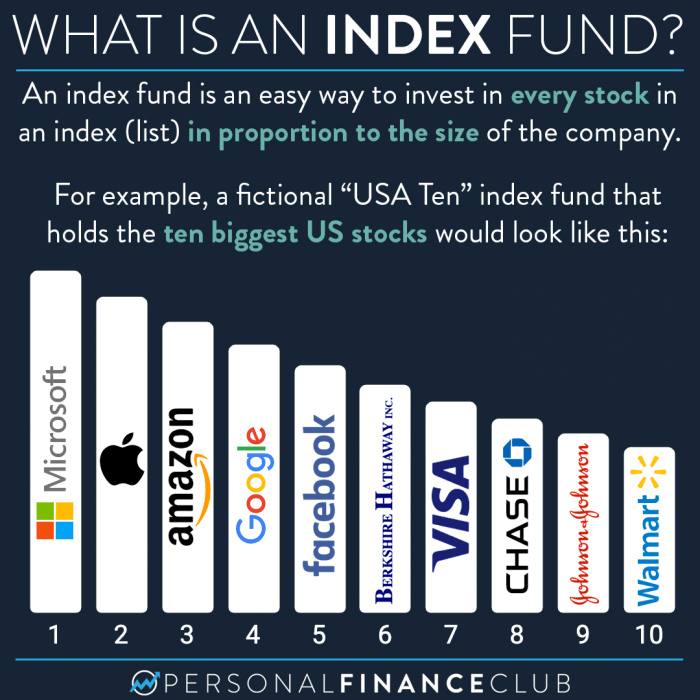
Index funds are a type of investment fund that aims to track the performance of a specific market index, such as the S&P 500 or the Dow Jones Industrial Average. Unlike actively managed funds, which rely on a fund manager to select individual investments, index funds simply replicate the holdings of a particular index.
Investing in index funds offers several benefits for long-term growth. One of the key advantages is their low fees, as they require minimal management compared to actively managed funds. Additionally, index funds provide broad market exposure, reducing the risk associated with individual stock picking and offering diversification across multiple companies and sectors.
Popular Index Funds
- Vanguard Total Stock Market Index Fund (VTSMX): This fund tracks the performance of the CRSP US Total Market Index, providing exposure to the entire U.S. stock market.
- S&P 500 Index Fund: This fund mirrors the performance of the S&P 500 index, which includes 500 of the largest publicly traded companies in the United States.
- NASDAQ-100 Index Fund: This fund replicates the performance of the NASDAQ-100 index, composed of the largest non-financial companies listed on the NASDAQ stock exchange.
How to Invest in Index Funds
Investing in index funds can be a great way to build a diversified portfolio with minimal effort. Here are the steps involved in investing in index funds, along with tips on how to make the most of your investments.
Choosing a Brokerage Account
When investing in index funds, the first step is to choose a brokerage account that suits your needs. Look for a brokerage that offers a wide selection of index funds with low expense ratios to maximize your returns.
Selecting the Right Index Fund
Once you have chosen a brokerage account, the next step is to select the right index fund for your investment goals. Consider factors such as the fund’s expense ratio, performance history, and the index it tracks to make an informed decision.
Comparing Methods of Investing
There are different methods of investing in index funds, such as through Exchange-Traded Funds (ETFs) or mutual funds. ETFs are traded on the stock exchange like individual stocks, while mutual funds are bought and sold directly through the fund company. Consider your investment style and preferences when choosing between these two options.
Diversifying Your Investments
To manage risk effectively, it’s important to diversify your index fund investments. Spread your investments across different asset classes and sectors to reduce the impact of market fluctuations on your portfolio. Consider investing in index funds that track different indexes to achieve diversification.
Income Funds vs. Index Funds
When it comes to investing, understanding the difference between income funds and index funds is crucial. Both types of funds have distinct investment objectives and strategies that cater to different investor preferences and goals.
Investment Objectives and Strategies
Income funds are designed to provide regular income to investors through dividends or interest payments from the underlying assets in the fund. These funds typically invest in fixed-income securities such as bonds, preferred stocks, or high dividend-paying stocks. On the other hand, index funds aim to replicate the performance of a specific market index, such as the S&P 500. They achieve this by holding a diversified portfolio of securities that mirror the composition of the index.
Risk-Return Profile
Income funds are generally considered less risky than index funds due to their focus on income generation and capital preservation. However, the potential returns from income funds may be lower compared to index funds, which have the potential for higher capital appreciation over the long term. Index funds are passively managed and tend to have lower expense ratios, making them a cost-effective option for investors seeking broad market exposure.
Suitability Scenarios
Income funds may be more suitable for conservative investors looking for a steady stream of income and capital preservation. They are also ideal for retirees or individuals who prioritize income generation over capital growth. On the other hand, index funds are suitable for investors seeking market returns with low fees and minimal management involvement. They are a popular choice for long-term investors looking to diversify their portfolio across different asset classes.
Index Funds as an Inflation Hedge
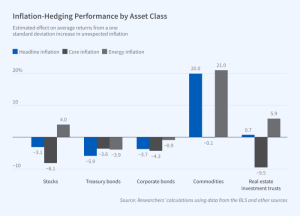
Index funds can serve as an effective hedge against inflation due to their exposure to a diversified portfolio of assets. By investing in a broad range of stocks or bonds, index funds can help protect your investment portfolio from the erosive effects of rising prices.
Historical Performance During Inflationary Periods
During inflationary periods, index funds have historically shown resilience compared to individual stocks. The diversification inherent in index funds helps spread risk across various sectors and industries, reducing the impact of inflation on the overall portfolio. Inflation can erode the real value of cash and fixed-income investments, making index funds an attractive option for long-term investors seeking to maintain purchasing power.
- Index funds have historically outperformed cash and fixed-income investments during inflationary periods.
- Diversified exposure to various asset classes within index funds can help mitigate the negative effects of inflation.
- Historical data indicates that index funds have provided a solid inflation hedge over the long term.
Strategies for Using Index Funds to Protect Against Inflation
Investors can employ several strategies to safeguard their portfolios from the impact of inflation using index funds. One common approach is to allocate a portion of the portfolio to equity index funds, which have historically outperformed inflation rates over the long term. Additionally, investors can consider incorporating inflation-protected securities or real estate investment trusts (REITs) within their index fund holdings to further enhance inflation protection.
- Allocate a portion of your portfolio to equity index funds to benefit from long-term growth potential.
- Consider including inflation-protected securities or REITs within your index fund holdings for added inflation protection.
- Regularly review and rebalance your index fund holdings to ensure alignment with your investment goals and risk tolerance.
Insurance Premiums and Index Funds
Investing in index funds can play a crucial role in not only building wealth but also potentially reducing insurance costs over time. By diversifying your investment portfolio with index funds, you can create a solid financial foundation that may lead to lower insurance premiums in the long run.
Benefits of Index Funds in Reducing Insurance Costs
- Index funds provide a stable and consistent way to grow your wealth over time. As your financial health improves, insurance companies may offer you lower premiums due to reduced risk.
- By investing in index funds, you are essentially creating a safety net for yourself. In the event of unexpected expenses or emergencies, having a well-funded investment portfolio can help offset the need for high insurance coverage, resulting in lower premiums.
- Index funds can be used strategically to complement your insurance coverage and overall financial planning. For example, you can allocate a portion of your investment funds towards building an emergency fund, which can reduce the need for costly insurance policies.
In conclusion, mastering the art of investing in index funds can pave the way for long-term financial success and stability, making it a crucial component of any well-rounded investment portfolio.
Query Resolution
What are the main benefits of investing in index funds?
Index funds offer diversification, low fees, and the opportunity to match the market’s performance.
How can I choose the right index fund for my investment goals?
Consider factors like expense ratio, past performance, and the fund’s tracking error to make an informed decision.
Are index funds suitable for short-term investments?
Index funds are generally more geared towards long-term growth due to their passive management style.